Collectible Art Gallery
METRO MANILA

About Artist #1
Akira Toriyama
UKIYO_BA #1
10/14/20254 min read
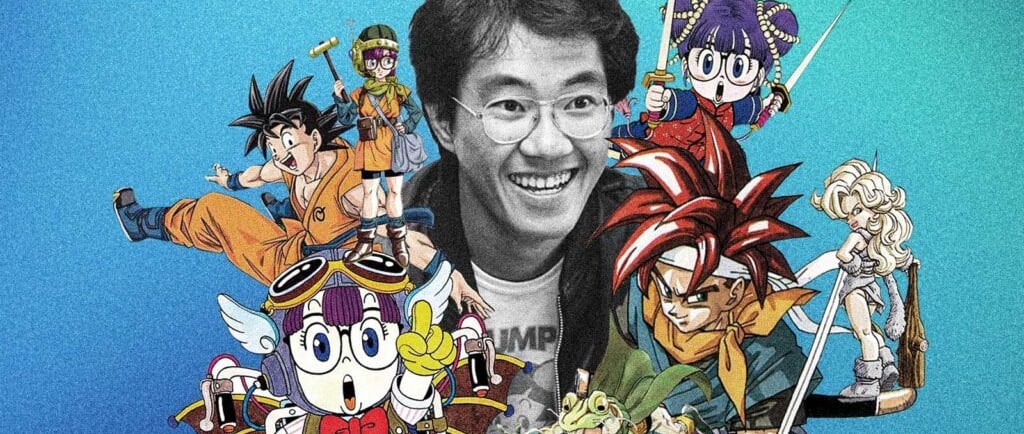
Akira Toriyama
Major Art Titles: Dragon Ball / Dr. Slump / Dragon Quest
A legendary Japanese manga artist, character designer, and storyteller best known for creating Dragon Ball, one of the most influential and globally successful manga and anime franchises of all time. He began his career in the late 1970s with the breakout comedy manga Dr. Slump, which established his signature humor and art style. Toriyama's fame skyrocketed in the 1980s with Dragon Ball, a martial arts fantasy that evolved into an epic action-adventure saga, shaping the shōnen genre and inspiring generations of artists. Beyond manga, he contributed iconic character designs for video games like Dragon Quest and Chrono Trigger. Known for his clean, dynamic art and playful storytelling, Toriyama left an indelible mark on pop culture worldwide before his death in 2024.
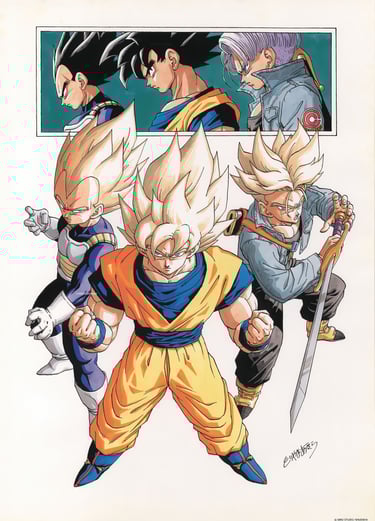
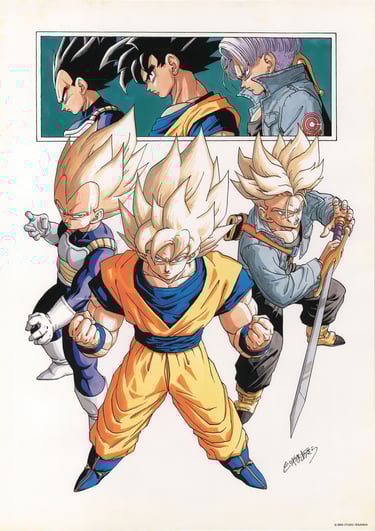
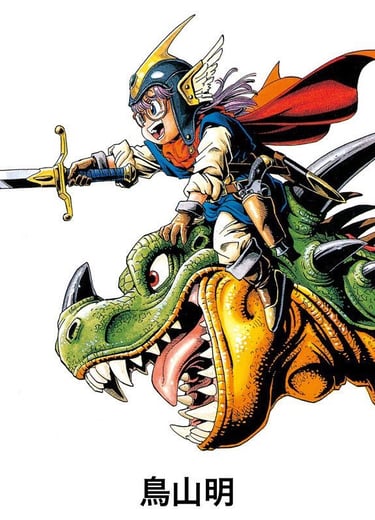
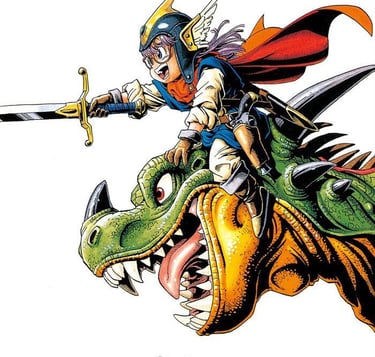
Dr. Slump: Where It All Began
Before Dragon Ball, there was Dr. Slump—a comedic gag manga that introduced readers to the quirky village of Penguin Village and its android protagonist, Arale Norimaki.
Exaggerated comedy: Toriyama leaned into caricature-like proportions, with chibi characters, round faces, and giant glasses.
Mechanical whimsy: His love for machines showed early, with bizarre inventions, retro-futuristic vehicles, and cute robots.
Visual rhythm: Panels popped with movement and slapstick timing, showing his innate sense for comedic pacing.
Though Dr. Slump is often seen as a light-hearted gag series, it served as a sandbox for Toriyama’s evolving style. It’s where he honed the expressive faces and fluid motion that would define his later work.
Dragon Ball: The Evolution of Adventure
With Dragon Ball (1984), Toriyama transitioned from comedy to action, blending kung fu cinema, sci-fi, and mythology into a globe-trotting epic. Starting as a goofy reinterpretation of Journey to the West, it evolved into one of the most iconic action franchises in history.
Character evolution: Early Dragon Ball retained some of Dr. Slump's goofiness, but designs gradually became sharper and more muscular—especially as the series entered the Z era.
Iconic silhouettes: Goku’s spiky hair, Piccolo’s antennae, Frieza’s sleek form—Toriyama’s characters are instantly recognizable even in silhouette.
Functional fashion: Characters wore simple, iconic outfits (like Goku’s gi or Vegeta’s armor), blending form and function without over-complication.
Tech meets fantasy: Capsules, hover bikes, and scouters reflected Toriyama’s unique ability to blend futuristic tech with martial arts fantasy.
More than just cool designs, Toriyama made worlds that felt alive. Every background detail—from Bulma’s gadgets to Namek’s alien flora—was lovingly crafted and unmistakably Toriyama.
Dragon Quest: Redefining JRPG Visual Identity
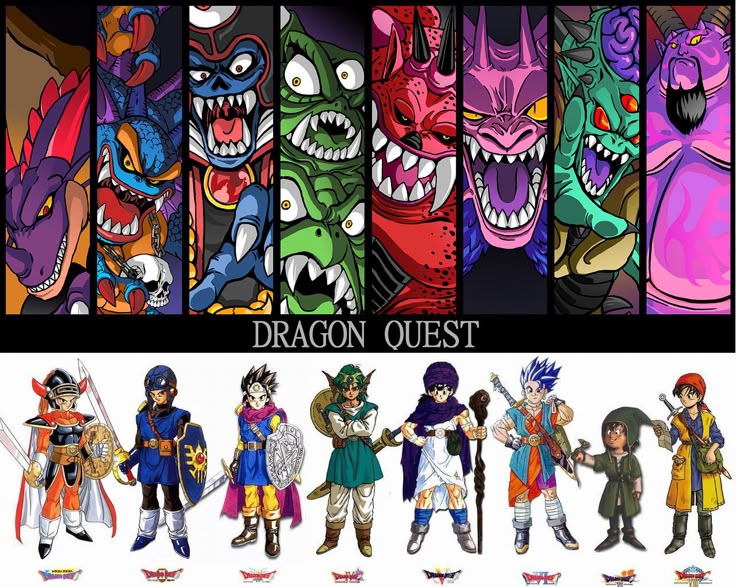
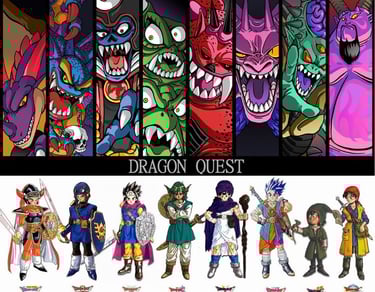
While many associate Dragon Ball with Toriyama, his impact on video games is just as legendary. Since the original Dragon Quest in 1986, Toriyama has served as the lead character and monster designer for the series—helping define the aesthetic of an entire genre.
Whimsical monsters: From the iconic Slime to fierce dragons and cheeky imps, Toriyama's monsters combined charm with menace. You almost don’t want to fight them.
Heroic clarity: His protagonists were designed with clean lines and expressive faces—easy to identify on small screens, yet full of personality.
Cohesive fantasy: Despite hundreds of characters and creatures across games, they all feel like they exist in the same whimsical, storybook universe.
Dragon Quest's visual consistency is thanks in no small part to Toriyama's timeless designs. Even after decades, his work still feels fresh and instantly appealing.
What Makes Toriyama’s Designs Unique?
Across all his works, a few core traits define Toriyama’s visual genius:
Simplicity with depth: His designs are clean and readable, but layered with personality.
Expressiveness: Faces and poses always pop with emotion—whether it’s Arale’s joy, Goku’s determination, or a Slime’s goofy smile.
World-building through design: Vehicles, landscapes, clothing, and monsters all feel like they belong together—immersing audiences fully in his worlds.
Timelessness: Whether in the '80s or today, Toriyama’s art never feels outdated. His lines are economical, efficient, and emotionally resonant.
Legacy and Influence
Akira Toriyama passed away in early 2024, but his legacy is indelible. He didn’t just design characters—he designed worlds. His art influenced generations of manga artists, anime studios, and game developers. Without Toriyama, it’s hard to imagine the look and feel of shonen anime or Japanese RPGs as we know them.
From the pages of Shonen Jump to the screens of millions of RPG fans, Akira Toriyama’s designs continue to inspire awe, laughter, and imagination.
In His Lines, A Universe
In every spiky hairstyle, in every gleaming hover car, and in every smiling Slime, a piece of Akira Toriyama’s heart lives on. His art wasn’t just about what looked cool—it was about what felt fun. And that, more than anything, is why his legacy endures.
UKIYO_BA_Art
AUTHENTIC & RARE SUB-CUL ART SHOP
© 2025. All rights reserved.